The History of Christmas Light Displays (and Why They Matter)
Every December, something quietly wonderful happens on streets across Omaha: houses that spend eleven months minding their own business suddenly start talking to each other in light. It feels timeless — but this tradition has a birthday, an inventor, and a genuinely fascinating story. Here's where christmas light displays came from, and why they still matter on your block today.
Where did electric Christmas lights actually begin?
Before electricity, Christmas trees were lit with real candles — beautiful, brief, and genuinely dangerous, which is why buckets of water and sand were standard Christmas equipment in the 1800s. The turning point came in 1882, just three years after Edison demonstrated his incandescent bulb. Edward H. Johnson, Edison's friend and business associate, hand-wired 80 red, white, and blue bulbs onto a rotating Christmas tree in his New York City home. Newspapers marveled at it, and Johnson is remembered today as the father of electric Christmas tree lights. In 1895, President Grover Cleveland put electric lights on the White House family Christmas tree, lending the new idea national visibility.
How did lights spread from mansions to Main Street?
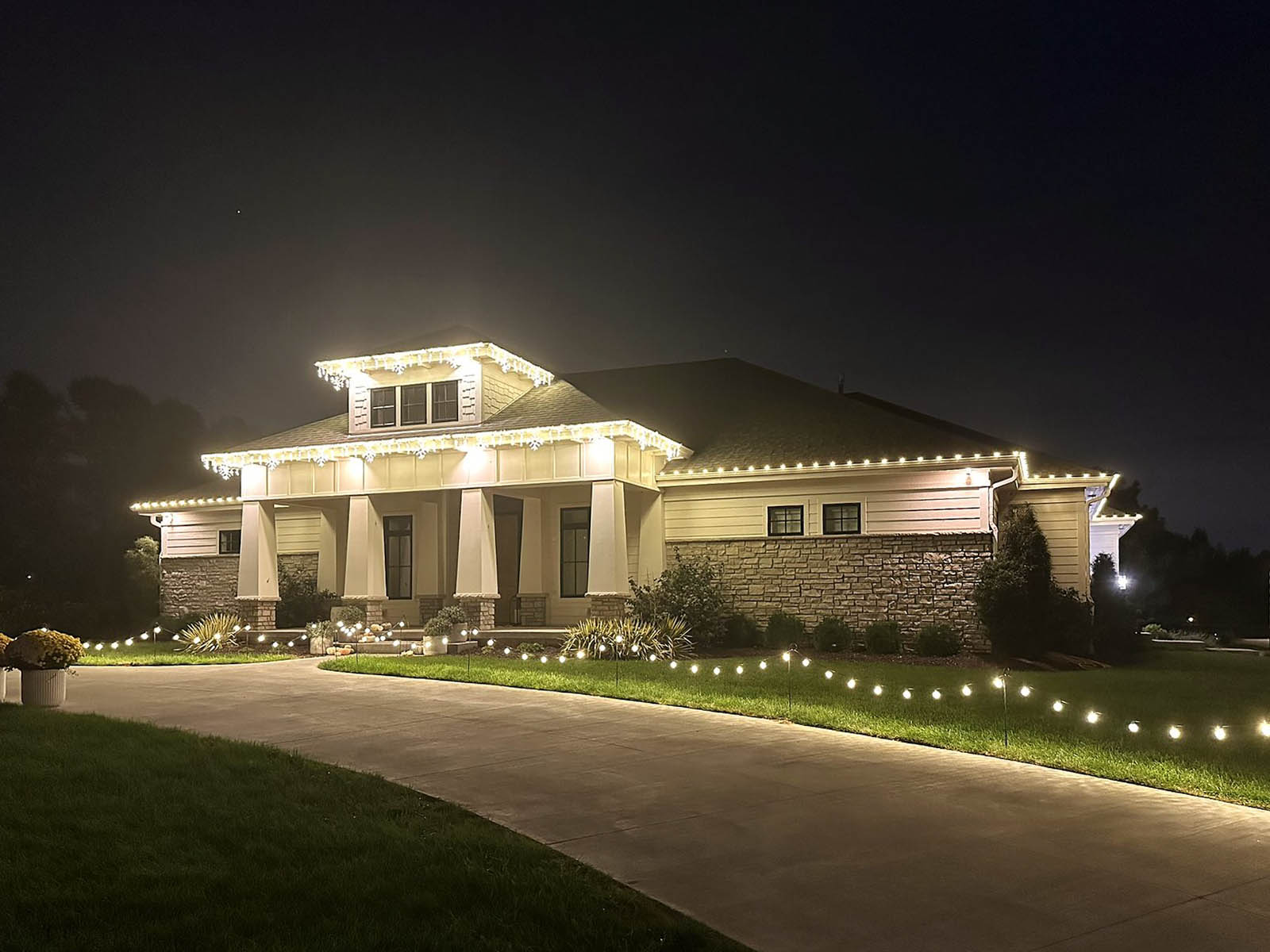
For the first couple of decades, electric Christmas lighting stayed a luxury — early displays required real money and often an electrician's help, so lit trees were something wealthy families showed off and newspapers wrote about. The democratizing moment came in the early 1900s, when pre-assembled strings of lights reached the market and, over the following years, became steadily more affordable. General Electric began offering pre-wired lighting outfits, and by the 1920s companies like NOMA had made ready-to-use light sets a mainstream Christmas purchase. Once safe, affordable strings existed, the tradition jumped from the parlor tree to the porch, the eaves, and the front yard — and communities began stringing lights across downtown streets and lighting public trees together.
When did whole neighborhoods start to glow?
The outdoor display as we know it took off between the wars and then exploded after World War II. Postwar suburbia — new houses, new disposable income, and a culture that celebrated the front lawn — turned residential Christmas lighting into a friendly competition and a shared ritual. Piling the family into the car to "go look at lights" became an American tradition in these decades, and it remains one of the few outings every generation in the car enjoys equally. Omaha's own beloved holiday traditions grew from this same era of civic and neighborhood celebration, and the metro's December drives — through old neighborhoods and new ones alike — carry that history forward every year.
How did technology change the tradition?
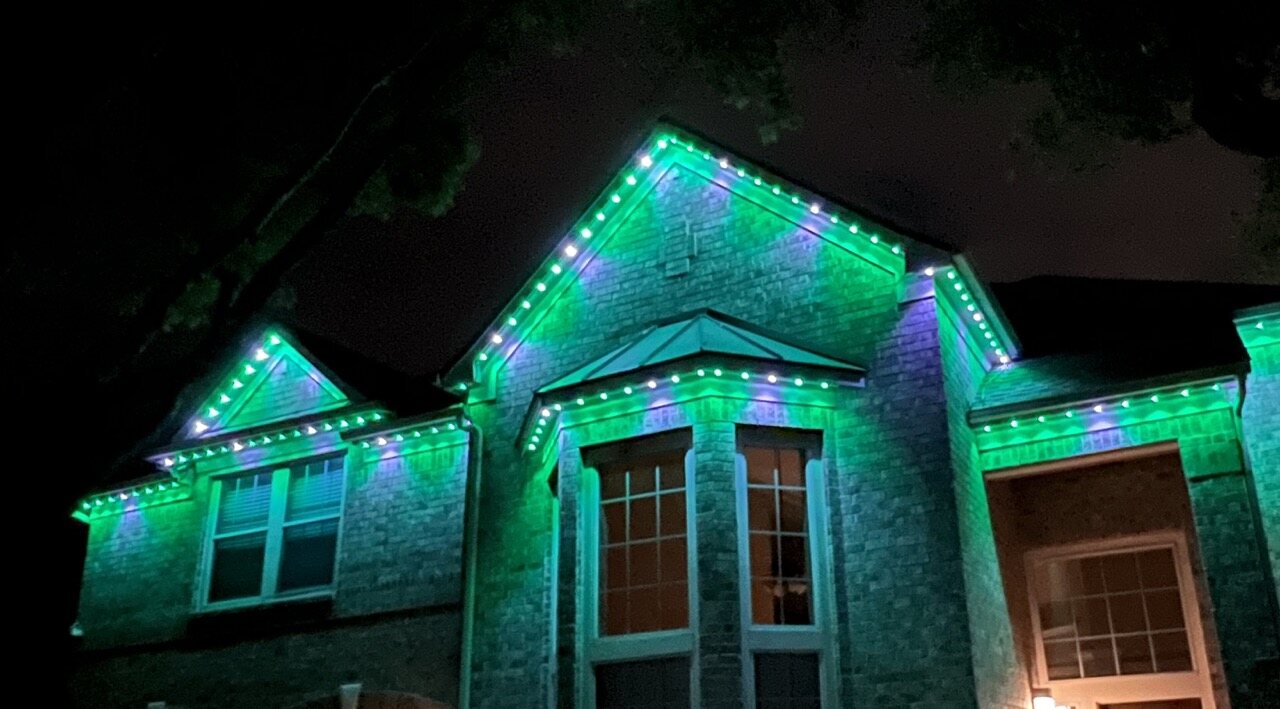
Each generation's lights got safer, brighter, and easier. Incandescent minis dominated the late twentieth century; then LED technology arrived and changed the economics entirely. Modern commercial-grade LEDs use dramatically less energy than old incandescents, run cool to the touch, and last tens of thousands of hours. The newest chapter is permanence: discreet, app-controlled systems that live on the roofline year-round. Today's permanent lighting can produce 16 million colors and true warm-to-cool whites — Christmas in December, subtle architectural glow in June — something Edward Johnson, hand-wiring 80 bulbs, could scarcely have imagined.
Why do christmas light displays still matter?
Because the darkest weeks of the year are exactly when we need light the most. A lit house says someone's home, and they're glad you're passing by. Displays give neighborhoods a shared project and a shared pride; they give kids core memories through a frosted car window; they give the season a landmark — the house where the holidays visibly begin. That's the "why" underneath 140+ years of history:
- Connection — lights turn individual houses into a neighborhood celebrating together
- Tradition — the December lights drive spans every generation
- Wonder — no other home improvement makes people slow down and smile
How can your home join the story?
Every display on your street is a small continuation of Johnson's 80 bulbs. If you'd like your home to carry the tradition — without the ladders that came with the twentieth-century version — professional holiday lighting handles design, installation, in-season service, takedown, and storage for one all-inclusive price. Most Omaha homes run $750–$4,000; the numbers live on our pricing page, and booking by October 1 earns 10% early-bird savings. We serve the whole metro, from Elkhorn to Bellevue to Council Bluffs.
Or call or text 531-999-6388. We do the work. You enjoy the wonder.